| |||||
|
| |||||
|

| ||||||||
|
| |||||||||||
|
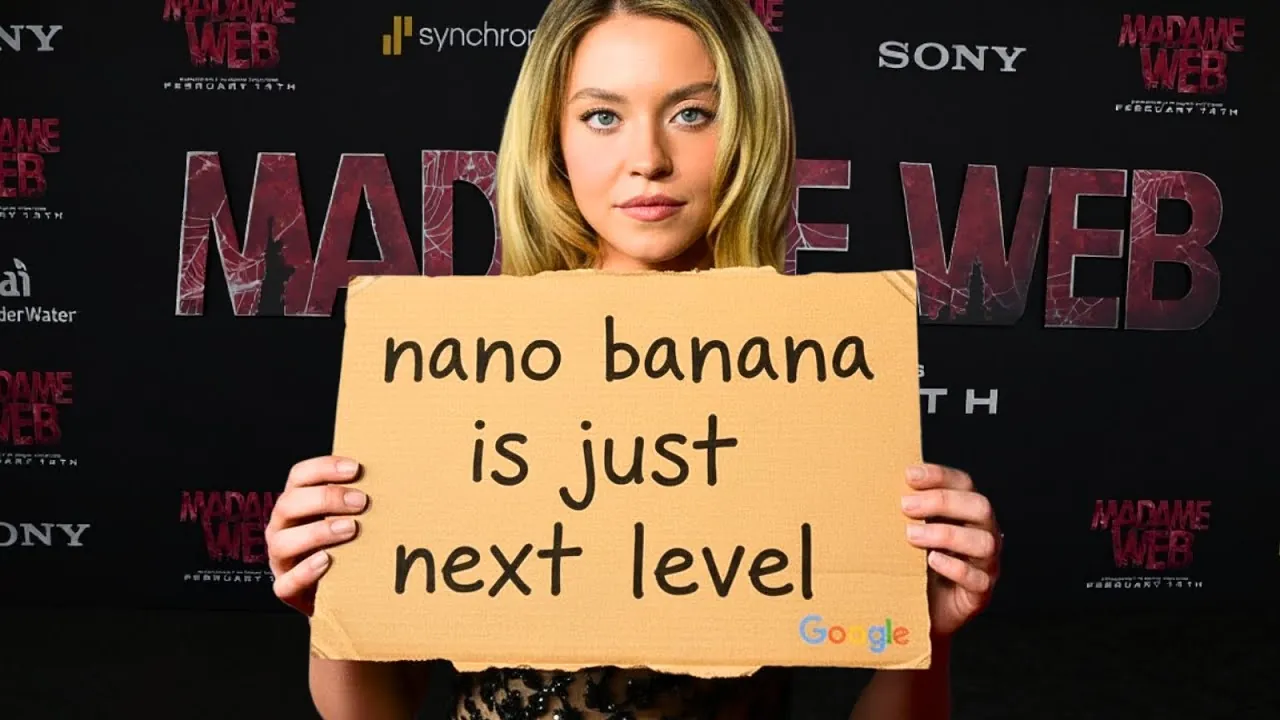

What if you could transform a static image into a dynamic video, seamlessly swap objects in a photo, or even visualize how a design might evolve over decades, all with just a few clicks? Enter the Nano Banana API, a new tool developed by Google that is redefining the boundaries of creativity. From marketers crafting attention-grabbing campaigns to artists experimenting with futuristic concepts, this API equips users with powerful, AI-driven tools to turn their boldest ideas into reality. It’s not just another editing platform; it’s a gateway to endless creative opportunities, where innovation meets precision.
In this overview, All About AI explains how the Nano Banana API enables users to create professional-grade visuals with features like object replacement, image merging, and time-based transformations. You’ll discover how its intuitive design and advanced AI models make even the most complex editing tasks feel effortless. But that’s not all, this API doesn’t stop at static images. Its dynamic video creation tools and temporal storytelling capabilities open up new dimensions for creative expression. Whether you’re a seasoned designer or a curious hobbyist, the Nano Banana API offers something to inspire and elevate your work. So, what possibilities will you unlock?
TL;DR Key Takeaways :
The Nano Banana API stands out due to its advanced capabilities, allowing you to execute complex editing tasks with remarkable ease. Its features are designed to enhance efficiency and creativity, offering tools that cater to diverse needs:
These features empower users to create professional-grade visuals, whether for marketing campaigns, artistic endeavors, or personal use. The API’s intuitive design ensures that even complex tasks can be executed efficiently.
The Nano Banana API extends its capabilities beyond static images, offering tools for creating dynamic video content. By using its video customization features, you can transform still images into engaging video clips tailored to your specific needs. This functionality is particularly beneficial for:
The seamless transition between image editing and video creation enhances the API’s versatility. Whether you are crafting promotional materials or experimenting with artistic ideas, this feature allows you to explore new dimensions of creativity.
Advance your skills in AI image generators by reading more of our detailed content.
One of the most innovative aspects of the Nano Banana API is its time-based transformation capability. This feature enables you to evolve images through different historical periods or creative stages using descriptive prompts. It opens up unique possibilities for storytelling and experimentation, allowing you to:
This functionality is particularly valuable for marketers, designers, and artists seeking to incorporate a temporal perspective into their work. By allowing users to experiment with historical and futuristic themes, the API fosters innovation and creative exploration.
The Nano Banana API uses advanced AI models, including GPD5 Nano and Cling 2.1 Pro, to deliver high-quality results with precision and efficiency. These AI-driven tools enhance the API’s ability to handle complex tasks, offering features such as:
By integrating state-of-the-art AI technology, the Nano Banana API simplifies the creative process while maintaining adaptability and precision. Its user-friendly interface ensures that both professionals and hobbyists can achieve their desired outcomes efficiently.
The versatility of the Nano Banana API makes it a valuable tool across various industries. Its features cater to a wide range of applications, including:
Whether you are working on large-scale professional projects or personal creative endeavors, the API’s adaptability ensures that it meets your needs. Its ability to handle diverse tasks makes it an indispensable resource for anyone looking to push the boundaries of visual content creation.
The Nano Banana API is designed with efficiency and reliability in mind, making sure consistent performance across various creative applications. Its technical features include:
These capabilities make the API a dependable tool for both personal and professional use. Its robust performance ensures that users can rely on it to deliver consistent results, regardless of the project’s complexity or scope.
The Nano Banana API represents a significant advancement in image and video editing technology. By combining powerful features such as object replacement, image merging, and time-based transformations with innovative AI-driven tools, it provides a comprehensive platform for creativity. Whether you are designing marketing visuals, exploring artistic projects, or experimenting with innovative ideas, this API equips you with the tools to bring your vision to life. Its adaptability, precision, and efficiency make it an invaluable resource for professionals and hobbyists alike, empowering users to redefine the possibilities of visual content creation.
https://greyjournal.net/hustle/grow/5-faceless-youtube-niches-that-will-make-you-a-millionaire/?utm_source=flipboard&utm_content=topic/technology
Do you even brand?: Branding 101, according to Hugo Morrissey
Founder and director Hugo Morrissey shares lessons and laughs from his first chapter of Black Book Design Collective.
Written By: Guest Author
2 September 2025
I've always found branding agencies to be a bit of a nightmare. My perception has been that they're pricey, slow to reply, and the most creative thing about them is their ability to invent new costs.
However, since launching Black Book Design Collective earlier this year, it's been interesting to see the other side. I'll even admit that I can now sympathise with the aforementioned brand agencies, but only ever so slightly.
With my newfound perspective, I've learned four key things.
1. Fast, cheap, great: you can only choose two
When you're starting out, it's tempting to say yes to everyone. Cash is king, right? Yet some of our most stressful clients were the ones chasing 48-hour, weekend deadlines with no budget. I said yes because we wanted the work. Lesson learned.
Now I'd rather say: "We manage our team with strategic oversight and creative direction. We want to get it right for you, so we won't rush if it risks sub-par work. If you need fast, we need to prioritise or allocate more resources to ensure we don't do more harm than good." You might lose a job in the short term, but what you gain is trust in delivery, protection of reputations, and the open door to better future projects.
I've learnt that in creative work, speed rarely equals quality. A tight brief is essential if you want it fast and great, so be honest about it.
2. Keep it tight to get it right.
The brief is the contract between you and the client. This is where expectations are set, so a tight brief is everything. Scope creep happens every time, which isn't always a bad thing when it's about adding value and building relationships. The issue is when it's left unchecked and when you're not totally aligned on what's in scope and what's not.
Without a clear direction from the outset, the creative process becomes a race towards poor design or, worse, mediocrity. At least bad design acknowledges its flaws and can be ironic, whereas mediocre design inspires nothing.
So, if the process is being hijacked with new ideas every five minutes, you've lost control. What's become clear to me is that you have to stay the expert, which sometimes means taking a stop, resetting, and then continuing with a clear, aligned goal.
3. It's fun.
Creativity is fun. As someone who is often focused on productivity, my co-founder will remind me to have fun, because it's where the magic lies. It often doesn't seem like work, spending a few hours brainstorming ideas with designers or sitting down in a café writing for an hour.
Companies are trusting us with their "babies", and it's up to us to develop a brand for them that they are proud of, which resonates with their target market and that they love. To be part of this process, to see various creative routes explored and to see a brand born from nothing and built into something spectacular is epic. Add to that the pride our team takes in helping to create this brand, and that's where the good stuff is.
Very few brand stories start with the opening of an Excel document.
4. UK branding agencies charge an arm and a leg, and sometimes a hand and a foot.
One thing that hasn't surprised me, though the scale still shocks me, is that UK branding agencies charge an absolute fortune. If you're meeting an agency in a shiny central London office, remember you're paying for that rent. Sure, some agencies are undoubtedly superior to others, given the experience of their teams, but the amount some charge for the value they create still seems off-kilter to me.
As the un-agency co-founder, I do believe that many top agencies miss this trick. It is not just about the cost, but the value. Is the juice worth the squeeze?
Don't get me wrong, I know branding isn't easy. It is messy, unpredictable, and occasionally makes you want to throw your laptop into the sea, but it is also exciting, addictive, and far more rewarding than I expected. As an entrepreneur in my second business, I find it incredibly exciting to help bring other businesses to life and support them on their journey.
Six months in, I am still learning every day. If there's one thing I know for sure, it is that good work comes from good people, clear conversations, and a healthy dose of humour.
Further Information
This article was written by founder and director Hugo Morrissey from the Black Book Design Collective.


He performed. And people still talk about it decades later.
⇢ FREE RESOURCE: 100 Sales Objections + How to Respond (PDF)
https://lnkd.in/e6_5Syse
Here are 6 rules Jobs used to make every keynote unforgettable and how you can steal them:
1. Start with why — Lead with the problem you’re solving before showing the solution. Spend 30% of your time here.
2. The rule of three — Structure your message around 3 core points to make it digestible and memorable.
3. Create holy moments — Plan one “holy sh*t” reveal that leaves the audience speechless.
4. Show, don’t tell — Back every claim with a live demo or real-world proof.
5. Emotional connection — Tie features to human aspirations and outcomes, not just specs.
6. Rehearse until perfect — Jobs practiced transitions, pauses, and every word until it looked effortless.
📌 Small tweaks in delivery can turn your next presentation from “good” to legendary.
—
📬 Subscribe for proven sales frameworks, daily insights & free resources:
https://lnkd.in/eKU7JdSK
(already 35,000 sellers are on board)