Google, Snapchat, Facebook and the rest reshape the industryBy Garett Sloane
- December 26, 2014, 7:08 AM EST
- Technology

Instagram video ads, used by brands like Disney, were among the most interesting of the year.
It wasn't long ago when social media advertising just meant Facebook and digital advertising only reached desktop computers. Well, 2014 saw an explosion in the Internet ecosystem, which has become increasingly mobile with more media-rich formats than ever.
The largest players like Facebook and Google innovated and newcomers such as Snapchat offered ad space that theretofore didn't exist. So here's a look back at a year where fresh ad units routinely emerged onto the scene.
Google Shopping Campaigns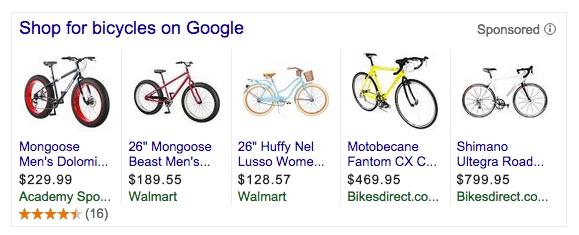
The search advertising giant showed that it wants to take on Amazon as much as any of its other rivals, and it developed its e-commerce platform to do just that, not only with services like home delivery but evolved search ads that more seamlessly include retail. In early 2014,Product Listing Ads, which show up in certain searches directing users to retailers online, were now rolled into campaigns. The new shopping campaigns give retailers more control over when their ads show up in searches and for what products. Google even has tools that let retailers indicate what products are available at the nearest physical store.
In September, Google also launched AdSense for Shopping, which shows product ads on third-party websites. It's all very Amazon, and all part of Google's one-stop shop to track everything from ad served to product delivered.
Snapchat's Sponsored Updates

The youth-focused messaging app didn't take long to get into advertising with sponsored snaps ("snaps" are what Snapchat legions call their momentary messages on the platform) that show up in users' inboxes. The Universal Pictures movie Ouija was the first to buy the new mobile video format, which opens a new channel for social media marketing—especially in terms of reaching young people.
Also, its live feed, which crowdsources Snapchat messages at events like the Macy's Thanksgiving Day Parade, now features commercials mixed in with the snaps from everyday users. For instance, Amazon sponsored Black Friday on Snapchat.
Instagram Sponsored Video
Now with more than 300 million users, Instagram had its first full year of advertising in 2014. Its newest ad product introduced autoplay sponsored videos, and brands from Disney to Electronic Arts to Banana Republic were the first to try them out.
The video offering comes on top of sponsored photos, which were first served in 2013. CEO Kevin Systrom is trying to cultivate a stylish advertising vibe not unlike the glossy pages of a magazine only this is digital, mobile and multimedia, and he still apparently approves all of the marketing on a case-by-case basis.
Facebook Premium Video While tested in 2013, Facebook's Premium Video Ads didn't fully launch until March. These ads are autoplaying videos that are attracting a number of brands such as Macy's during Christmas.
While tested in 2013, Facebook's Premium Video Ads didn't fully launch until March. These ads are autoplaying videos that are attracting a number of brands such as Macy's during Christmas.
Video is the future of Facebook, according to CEO Mark Zuckerberg, and billions of videos from users and marketers are seen everyday. Facebook is trying to compete with everyone from YouTube to Yahoo to Twitter to AOL with video that can attract brands looking for top publishers.
Twitter App-Install Ads
The app-install ad was ever important this year, especially at Twitter, where the direct-response model of advertising now offers ways from brands to do more than ever on the platform. Yes, installing an app is one variety, but the ads also direct users to apps that have been dormant on their phones, a trick that Facebook and Google now offer as well.
Also, Twitter has e-commerce ads that have Buy Now buttons and video ads with View Now, and the list of potential actions is only growing.
Tumblr Sponsored Dot
Tumblr was full of new ad ideas this year, perhaps the most intriguing was the Sponsored Dot (that period at the end of its logo). Now, brands can buy it, dressing their logo as the punctuation mark for special occasions, like Starbucks did on National Coffee Day.According to parent company Yahoo, Tumblr is looking at $100 million in ad sales during 2015, so it laid the groundwork for plenty of other new products, too, including video, sponsored trends and app-install ads.
Kik Promoted Chats
This messaging app is just starting its ad business, much like Snapchat. However, it doesn't draw quite the same amount of attention even though it is popular with teens and consistently near the top of app charts. Kik says it has 150 million registered users, and it is attracting big brands and media/entertainment players looking to reach its young audience with Promoted Chats.
This messaging app is just starting its ad business, much like Snapchat. However, it doesn't draw quite the same amount of attention even though it is popular with teens and consistently near the top of app charts. Kik says it has 150 million registered users, and it is attracting big brands and media/entertainment players looking to reach its young audience with Promoted Chats.
The paid chats launched this year and let properties like Funny or Die and electronics brands like Skullcandy to message one-on-one with followers who opt in. It's a new kind of marketing built for mobile and messaging, two increasingly relevant areas.
Promoted Pins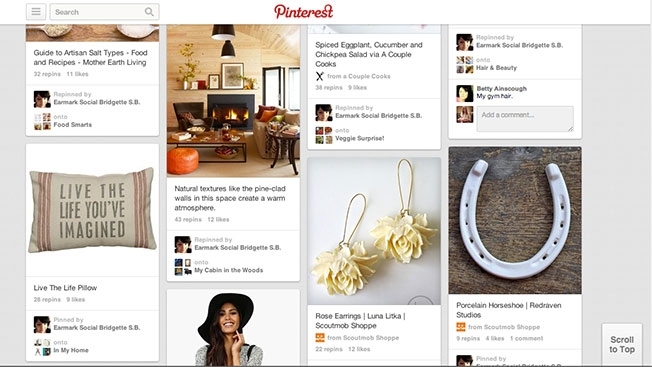 Pinterest entered the realm of social media advertising with Promoted Pins, which are served when users search for specific categories and keywords. This is the pinning platform's first ad product, which launched fully earlier this year after being tested in late 2013.
Pinterest entered the realm of social media advertising with Promoted Pins, which are served when users search for specific categories and keywords. This is the pinning platform's first ad product, which launched fully earlier this year after being tested in late 2013.
Brands like Kraft, Dell, Home Depot and Walmart are paying to boost their Pins, and there are now self-serve tools, too, for managing marketing campaigns on the platform.
Sponsored Listening Streaming music was an important area for advertising in 2014 with Pandora, Spotify and iTunes all going after brands. Pandora introduced video ads with this Sponsored Listening product, which offers users ad-free listening for an hour in return for watching a sponsored clip. In October, Fox helped promote new shows on Pandora with the help of the format.
Streaming music was an important area for advertising in 2014 with Pandora, Spotify and iTunes all going after brands. Pandora introduced video ads with this Sponsored Listening product, which offers users ad-free listening for an hour in return for watching a sponsored clip. In October, Fox helped promote new shows on Pandora with the help of the format.
Google Giferator
This was a custom ad unit made for EA Sports' Madden football video game, but it shows that Google is allowing advertisers to be more creative on the digital platform. The Giferator was generating dynamic ads in real time that could be highly targeted to select audiences.
The ad technology was developed as part of Google's Art, Copy and Code program, where it tries to blend the creative and technical sides of digital advertising. Also, the Giferator let users create their own Gifs, a format that marketers couldn't get enough of this year.