Monday, December 11, 2017

#SocialSkim: Facebook Messenger for Kids; Instagram's New App

This week's 'Skim: Facebook aims for kids under 13 with new Messenger Kids app; Instagram paves path to standalone messaging app, introduces new features for Stories; Twitter expands Twitter Lite to conquer new markets; Facebook reverses ban on pre-roll video ads; why Pinterest's president is stepping down, and who's taking the reins; Periscope pins livestream hopes on virtual tipping; and much more...
Skim for all the latest tips, tricks, and shifts!
1. Starting them young: Facebook launches Messenger for kids
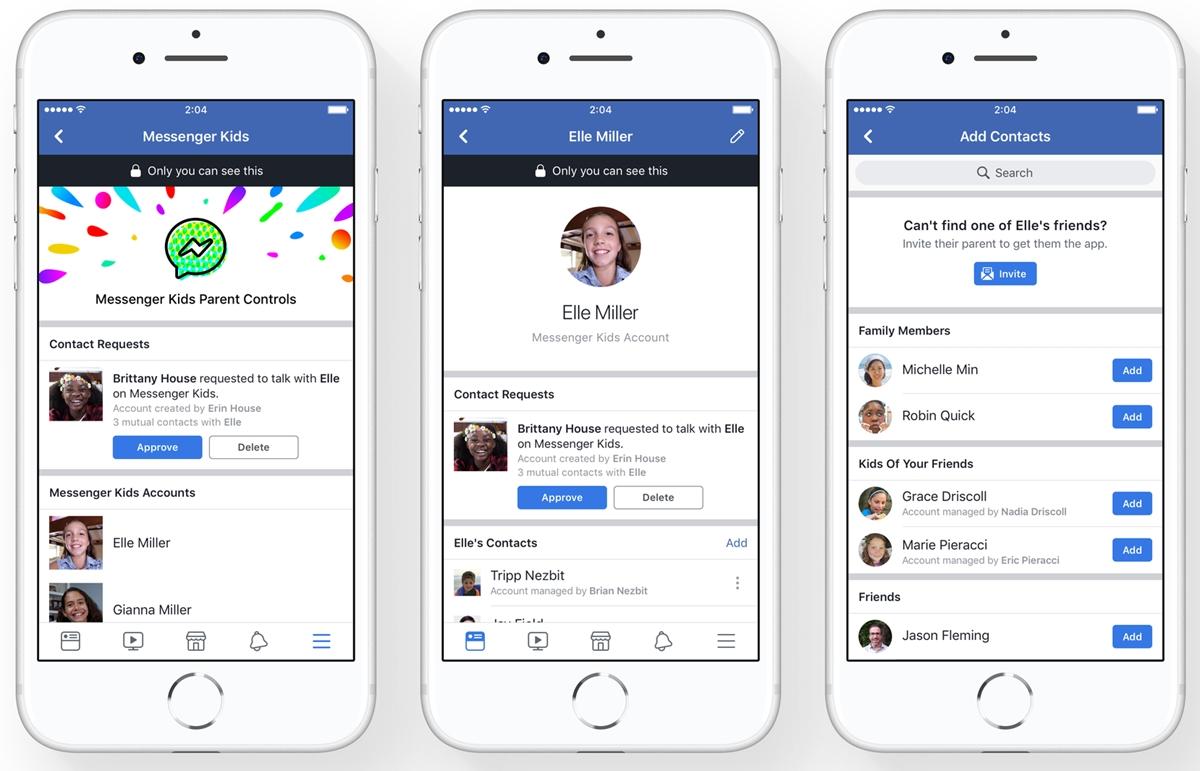
Messenger Kids is like training wheels for social media, and possibly the company's key to roping in the youngest digital natives. Facebook announced the ad-free, no in-app-purchase platform this week, and tackled tough questions about the company's seemingly sneaky approach to target youngsters by saying that, since kids under 13 years old are already using social apps they technically shouldn't be using, at least now parents can have more control.
Parents can set up a Messenger Kids app via the App Store; they must authenticate it with their own Facebook username and password, and they can control both who is on a child's contact list and who appears online. Though the app doesn't collect information for ad targeting, the fact that Facebook can bring children as young as six onto the platform at such an early stage could spell success in new ways.

Click Here!
2. Instagram tests standalone messaging app, could spell the end of the inbox
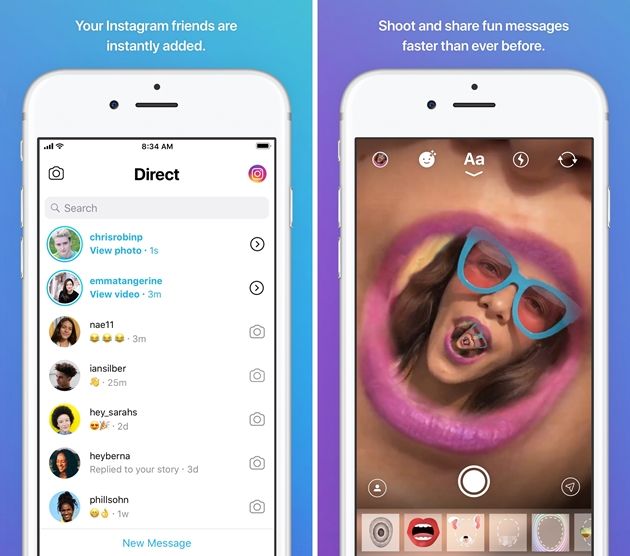
Instagram this week embarked on a six-country test that replaces its direct messaging feature, a move that could give parent company Facebook a third popular messaging platform to throw up on its shelf alongside Messenger and WhatsApp.
Instagram introduced Direct, a new, standalone app for iOS and Android, as a test in Chile, Israel, Italy, Portugal, Turkey, and Uruguay. And though there's no timeline for further expansion, the move mimics what was done when Facebook forced users to download Messenger to send private Facebook messages. The reason? Zuckerberg thinks an app can only truly focus on doing one thing really well.
The move could spell even further trouble for Snapchat, as Direct puts it even more in line with its core, camera-centric strategy.
3. Twitter Lite launches in 24 new countries: Prep your targeting for far and wide
Tweeting just got easier—and cheaper—in a host of countries not particularly known neither for speedy Internet connections or low data costs. Consumers in Brazil, Mexico, Nigeria, Panama, and 20 other nations can now download a pared-down version of Twitter after the social network received positive feedback from a test launch in the Philippines.
Twitter Lite is optimized to enable users to load quickly and consume minimal amounts of data, even on 2G or 3G data networks, and its 3MB installation size frees up space on phones with little storage. In fact, Twitter had a 50% increase in tweets sent since debuting Lite earlier in 2017.
As social networks look for their next billion users, an app built for the needs of the rest of the world might be a good place to start.
4. Facebook nixes longstanding ban on pre-roll video ads
With Facebook's new video platform Watch comes new ad rules. The social network, which has until now condemned the use of pre-roll video ads, and even eliminated it from its advertising vernacular, has reneged on its stance.
But Facebook Watch, meant to compete with YouTube and entice creators and publishers to produce content in search of ad dollars, moves the social network from a platform meant for short, viral clips suited to a scrolling news feed environment, to a more TV-like content with repeat viewers.
YouTube's proven that pre-roll ads don't hinder viewership for content like that, so now it's time for Facebook to give it a shot.
5. Pinterest's president moves on to new ventures
After six years at the pinboard social network, Pinterest's business lead Tim Kendall is exiting the company to launch a new business in the healthcare industry. The former Facebook director of monetization spent his time at Pinterest building a case for business to invest more heavily in advertising on the platform.
Now, with over 200 million monthly active users, the social network is poised to hit $500 million in revenue this year after having invested heavily in computer vision tools and image recognition to become a visual search tool. Pinterest appears set to announce an IPO sometime in 2018.
6. Facebook integrates tbh like feature into Web, mobile app
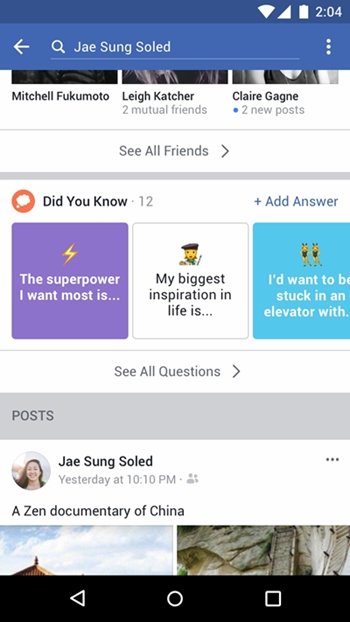
We told you all about tbh, the anonymous mobile app that prompts users to gives compliments to friends with predetermined questions. Well, it reached No. 1 in app stores, Facebook bought it, and now the world's largest social network has integrated tbh features into a Facebook newsfeed near you.
Facebook launched "Did You know?" on desktop and mobile this week, essentially a set of cards that encourage users to answer thought-provoking questions and share their responses with friends. Users can give the new feature a go via the Did You Know feature on their profiles, or by tapping "Try It" on their friends' posts.
7. Instagram introduces new ways to make Stories more permanent
Tired of all your *amazing* Instagram Stories disappearing after 24 hours, or not receiving the recognition you think they deserve? Instagram knows, and this week delivered a solution in Stories Archive and Highlights. Now, once Stories expire after their 24 hours of limelight, they'll be automatically saved in your archive for later, private viewing.
Users and brands can also now add their favorite Stories to their "Story Highlights," a reel of Stories housed above your normal feed of photos and videos, where they show up for all visitors to your profile to view.
This feature should help brands make their campaigns live longer on the platform, and re-engage people with the best performing content their Stories have to offer.
8. Twitter's Periscope pins live stream hopes on virtual tipping
Periscope hopes to draw more live video creators and talent to its platform with the promise of more cash. The Twitter-owned platform expanded its Super Broadcaster program outside of the US, opening the door for Canadian, British, and Irish video stars to earn more revenue via a virtual tipping service.
Users can support their favorite broadcasters by tipping them with Super Hearts, animated icons that can be bought via in-app purchases. Twitter also bumped up the percentage that video creators will earn, with creators keeping the entirety of their earnings, aside from a one-dollar administration fee.
Periscope hasn't yet shared the magnitude of success in the US, but the social network's apparently confident enough to give it a shot globally, with rollout to even more markets coming soon.
9. How to use the Facebook Creator app
For those of you who use live video in your social strategy, Facebook's new Creator app is more than worth a download. The new, standalone mobile app enables brands to add custom intros and outros, record branded videos, chat with your community, and get relevant insights about your live-video performance.
Social Media Examiner has a step-by-step guide to achieving it all—from using the Live Video Kit to brand-customizable and reusable video assets and applying such assets to your live streams, to using the app to dive into more enhanced video analytics and cross-posting on other social platforms.
10. We'll wrap with Facebook's mildly depressing 2017 year in review
About this time every year, the world's largest social network releases its Year in Review, a short feature detailing the most talked about moments on Facebook, which these days are inevitably the most talked about moments, period. Unfortunately, this year's review left many reflecting on tragedy after tragedy, and Engadget sums up the video as proof that 2017 was just, well, terrible.
This year's most talked about topics? The Las Vegas attack, the Manchester attack, the Mexico earthquake, and Hurricane Harvey. Sure, Facebook brought together a lot of people for fundraising and support, but we're hoping for a brighter and better 2018.

Your personal Year in Review will probably be more uplifting, so check it out for yourself here.

Monday, December 4, 2017

#SocialSkim: New Algorithm Redefines Snapchat; Facebook's Messenger Broadcast:

This week's 'Skim: why Snapchat's new algorithm is unique and what it means for users; Facebook preps Messenger Broadcast for business communication; Twitter tests a bookmarking feature; YouTube gets more social with its own version of Snapchat Stories, also faces advertiser exodus because of children's-content complaints; Tumblr's CEO is stepping aside after 10 years on job; the top 9 social media trends to watch for in 2018; how Facebook's using AI to prevent suicides; and more…
Skim to keep your social media strategy in tip-top shape!
1. Snapchat has a new take on the algorithm, rolls out personalized experience for users
Instead of pushing content that's popular among the entirety of the platform's users, similar to what Facebook does, or in reverse chronological order, like Snapchat used to, Snap Inc.'s new algorithmic redesign will adjust based on the individual user. That's right, the app will mold the content it presents based on what a user tunes in for most.
Snapchat is also separating friends from media, with all content from friends going on the "left side" of the app's home camera screen (sorted by whom you engage with most), and premium publishers and "professional influencers" (celebrities) to the right. Snap Map will live on, but in the Discover section, along with stories from search.

Click Here!
Though, for now, the user interface looks just about as confusing as Snapchat's always has looked, this new personalized algorithm could pave the path to more time spent in the app, and thus more of the elusive ad dollars the company needs to set it back on the right side of the Wall Street.
2. Facebook preps Messenger Broadcast for businesses
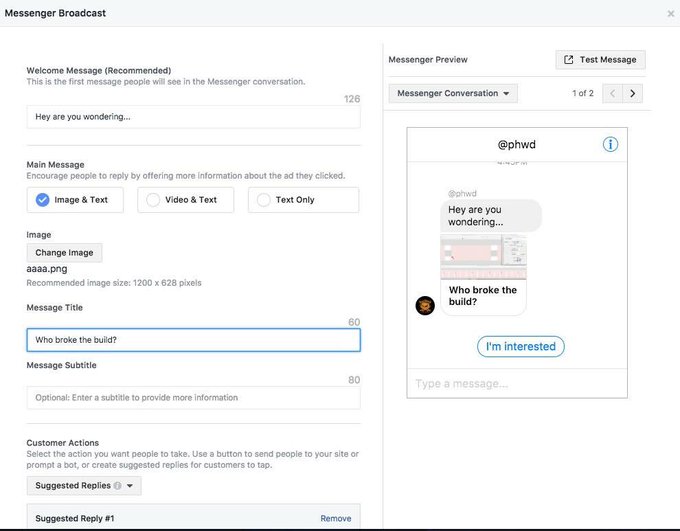
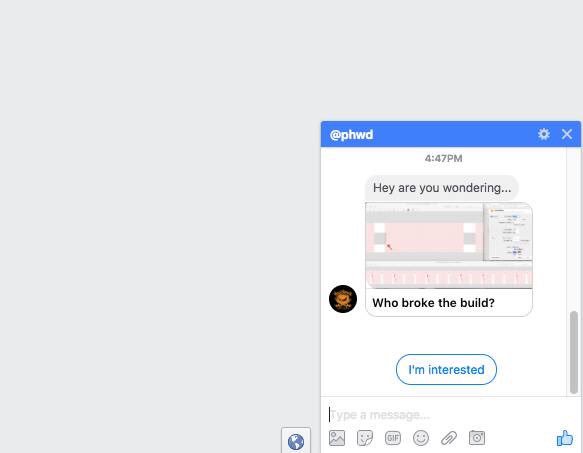
The social network recently introduced its Broadcast API, which enables brands to automate message blasts to Facebook users who have already been in contact with their company via Messenger before, but not all businesses had the development chops or funds to make it a reality.
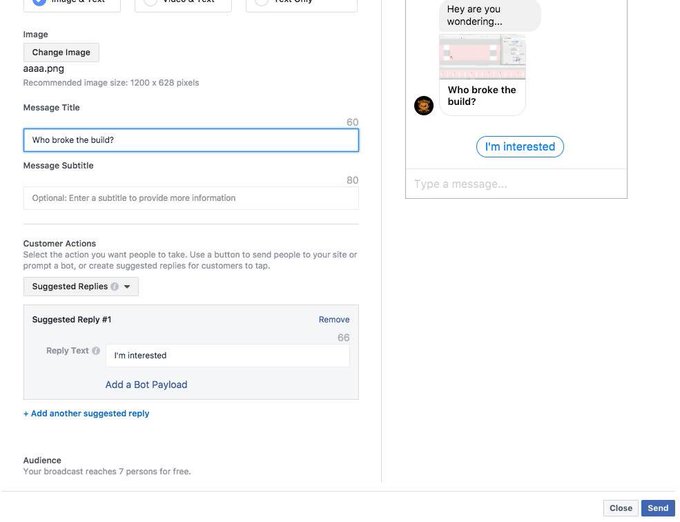
Cue Messenger Broadcast, a currently unreleased but under-construction equivalent to Facebook Ads Manager; it streamlines the messaging blast process much the way Ads Manager makes it a breeze for social media marketers to promote posts.
This could mean a new, fine-tuned targeting abilities for mass messaging of a sort that's currently not possible on Facebook. Keep a lookout for this one.
View image on TwitterView image on TwitterView image on TwitterView image on Twitter
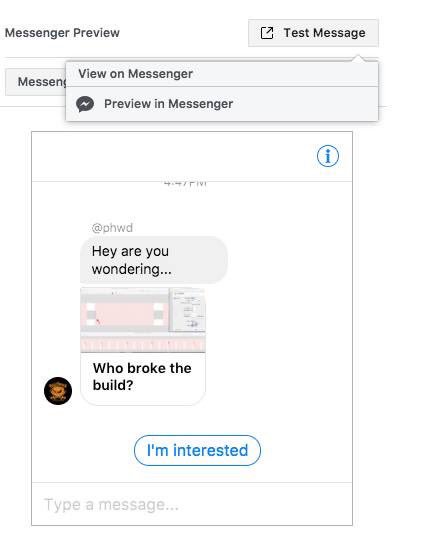
New! Facebook is preparing a “Messenger Broadcast” feature for business Pages

h/t @pwd
3. Twitter tests save-for-later feature
After an enormous number of requests from users, Twitter's about to give them their beloved ability to save tweets for later viewing. The new feature, called (uncreatively but understandably) Bookmarks, is reportedly to be released soon, allowing users to privately store away a set of tweets for later reading. Merry Christmas!
4. Snap woos users and prays to the revenue gods with new, immersive ad formats
Snap Inc. missed the mark for investors after the company fell $30 million short of anticipated revenues last quarter, and now the social app is eyeing more immersive ad formats to encourage more ad spend. What do they have to show for it? Two new ad formats.
Promoted Stories sequence together several snaps from a brand to create a slideshow-like ad accessible to all users in a given country from the Stories section of the app. More intriguing are Snapchat's new Augmented Reality Trial ads, which let users give brands' products a go via an AR overlay that brings the product into the world around them.
The new ads are particularly appealing for brands keen on reaching those elusive 13-24-year-olds, whom Snapchat can reach more easily than either Facebook or Instagram.
5. YouTube creates its own version of Snapchat Stories
Introducing Reels, YouTube's answer to Snapchat's Stories, and its latest effort in a round of updates to make the video platform a more social destination. The new stories format is available in the community tab for creators who have more than 10,000 subscribers, and it gives these YouTubers the ability to share disappearing video clips just like they can on other social platforms.
But YouTube also gives creators the ability to make Reels permanent, and enables new ways for creators to engage with their fanbase through polls, previews of upcoming videos, or content promotion from friends and collaborators. Reels will launch as a beta before expanding.
6. YouTube faces advertiser exodus following controversial content on kids' videos
The Google-owned video network is facing a new round of backlash and fewer advertising dollars after several major brands, including Adidas, Deutsche Bank, Lidl, and Mars, pulled campaigns from the platform based on reports by the BBC and The Times.
Brands' ads were reportedly appearing alongside videos of children that had obscene comments tied to them. Buzzfeed in turn uncovered pedophilic autocomplete search suggestion that left YouTube searching for answers.
YouTube has since stated its intention to beef up comments moderation, clarify ad policies, and give brands new controls that would make it easier for them to avoid placing ads alongside "higher-risk content."
7. Tumblr founder to step down after 10 years following disappointing Yahoo takeover
Yahoo acquired microblogging website Tumblr for $1.3 billion in 2013, and it has since embarked on a series of oversold and underdelivered promises: projected $100 million revenue in 2015 that never came to fruition, and a $712 million write down in 2016.
It's no surprise, then, that founder and CEO David Karp is stepping out of the limelight so that COO Jeff D'Onofrio can step in.
Tumblr was once a social media success story, vying for brand's advertising dollars, but Yahoo's mismanagement of the acquisition has resulted in the social blogging platform's all but fall of marketers' radars; it remains to be seen whether it will ever recover.
8. How to (masterfully) advertise your event on Facebook
Long gone are the days that a brand could create a simple static image advertising an event, throw it out on social platforms, and hope the world comes out to play. Garnering engagement with scroll-stopping visuals, and supporting them with a budget, are two keys to increasing attendance, but AdWeek has other top tips as well.
Covered in detail: how Facebook's relevancy score decides how much you'll pay for your ad, and how to minimize your cost; what you should include in an event ad to drive interest and ticket presales; how to use retargeting to increase conversion rates; and more.
9. Top 9 social media trends for 2018
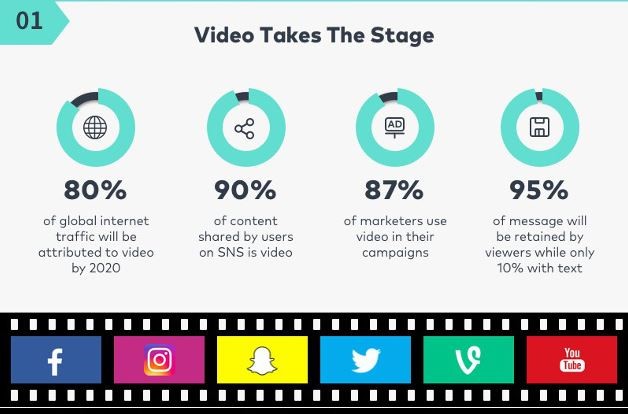
Film editing solution provider Filmora hits us with nine top social media trends to watch out for in 2018, and it's no surprise that video plays a big part in most of them. But what trends will prove to be more than fads, and which ones does your brand need to take seriously?
Check out the full infographic for more, but here are some surprising stats that should spark some thought to prepare your strategy for the new year:
  • Facebook Live videos are watched three time more than normal videos.
  • Facebook users spend 68% of their time on the platform on a mobile device, whereas LinkedIn users only spend 26% of their time on LinkedIn on a mobile device.
  • Influencers increase conversion rates by up to 10 times.
  • 94% of those who've used influencer marketing say it's an effective strategy.
10. We'll wrap with Facebook's unique use of AI for suicide prevention
Facebook is looking to use AI to improve the speed and efficiency with which it detects posts and livestreamed videos in which people might be expressing suicidal thoughts, even before they're reported by other users. The technology will use pattern recognition to understand the context of posts and videos, and thereby improve how it identifies appropriate first responders, case by case.
The social network will use signals such as "Are you OK?" and "Can I help?" to identify and prioritize its proactive detection efforts, and it has already worked with first responders on more than 100 wellness checks in recent month thanks to its efforts.